
.jpeg)
• April 2024 illness: portal vein thrombosis; bowel ischemia diagnosed.
• Deteriorated at home, collapsed; later sudden severe abdominal pain.
• Typhoid perforation confirmed; emergency laparotomy created stoma; long admission.
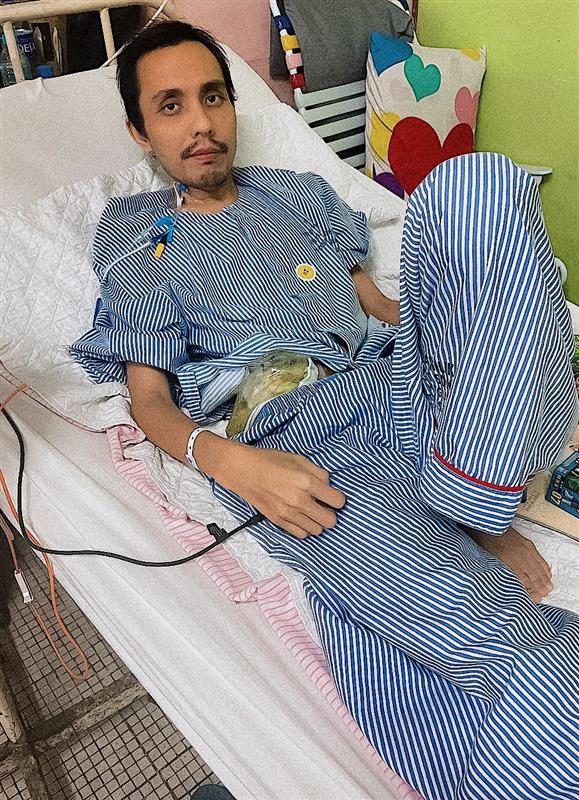
I had been unwell since April 2024. A CT scan showed portal vein thrombosis with associated small bowel ischemia, and I was discharged home with advice to return if my condition worsened. While at home, my health continued to deteriorate and I collapsed, leading to urgent hospital admission. Initially, I did not have significant abdominal pain, but I later developed sudden severe abdominal pain that prompted emergency surgery. Further evaluation confirmed typhoid-induced small bowel perforation after approximately six months of undiagnosed typhoid infection. An emergency laparotomy was performed, and a stoma was formed due to bowel perforation and ischemia. I required a prolonged hospital stay of around six months and lived with the stoma for about nine months.
My clinical team introduced chyme reinfusion therapy to me after attending a medical conference, where they were reminded of a treatment approach suitable for a condition similar to mine. They explained it as a method of reinfusing intestinal contents to improve nutrient absorption and reduce stoma output. To help me understand the therapy, they provided information about The Insides System, including its website. I further developed my understanding by reviewing online information and reading several relevant journal articles.
During my first week using The Insides System, I felt anxious and uncertain and was not fully confident it would work. However, after spending a prolonged period in hospital, I viewed it as a last resort worth trying. Before the procedure, I worried it might require anaesthesia or be invasive, but I later understood it was a simple process involving insertion of a tube into the distal intestine, which helped reduce my anxiety. The first week was challenging because the tube made stoma bag positioning difficult, and I experienced frequent leakage that required significant effort to troubleshoot and adapt methods to prevent leaks. When I first attempted to pump stoma output back into my intestine, I felt nervous and the experience felt unusual, but it gradually became more manageable as I adjusted.
During my first month using The Insides System, I began to notice meaningful changes. After about two weeks, I had my first bowel movement, which made me feel very happy and relieved because I had not felt the urge to pass stool for a long time. It felt almost like a miracle, although the stool was still hard and the sensation felt unfamiliar after such a prolonged period without rectal bowel movements. The early weeks remained challenging due to leakage caused by the tube, but my father helped work out how to manage it with guidance from the stoma nurse, which made the process more manageable.
Over time, I gained weight and my total parenteral nutrition (TPN) was gradually stopped. I was eventually discharged and was able to celebrate Raya at home, which was a significant milestone. At home, many people asked me about the device and I managed a few outings, although I did experience some intestinal prolapse and bleeding at the stoma site. By the end of the first month, I felt less anxious, was able to increase the pump speed, could walk short distances, and felt my energy and strength gradually returning.
In total, I used The Insides System for three months—one month in hospital and two months at home.
After approximately three months of using The Insides System, I underwent reversal surgery. My hospital stay was short, lasting only three days. After discharge, my doctor and dietitian advised a low-residual diet, and my surgical wound healed gradually with careful follow-up by the clinic staff. Now, six months after reversal, I am able to live my life fully again. I have started a new job and feel grateful that I chose The Insides System, which I affectionately named “Izzybelly,” and I am also thankful to my medical team for introducing me to the therapy.
One area of potential improvement is the stoma bag design. Bags that better accommodate the tube could help reduce leakage, and I believe further research and development would benefit future users. I also wrote a book titled Between Solitude and Scars, sharing my story about this experience.
At the beginning, it is normal to feel anxious and have doubts about using the device. However, it is important to trust your medical team and the therapy, and to believe in yourself and your ability to heal. The device is not meant to harm you; rather, it acts as a partner to help your intestine recover and improve your overall health. Over time, it can also help you regain confidence in managing your condition and improve your quality of life.
Mr Safwan has also shared his full journey in his memoir, Between Solitude and Scars: Life Altered by Typhoid and Blood Clots. The book explores the long-term physical and psychological impact of severe illness, major surgery, and recovery beyond the hospital setting.
If you’re interested in reading more about the story behind Mr Safwan's journey, you can find the book here:
link
© 2026 The Insides Company. All copyright, design, patent and intellectual property rights existing in our designs and products and in the images, text and design of our website / marketing material are the property of The Insides Company.

.png)

.png)


